

News & Blog
TPE in multi-component injection molding
Thomas Renner, Head of Application Engineering, describes the benefits of processing thermoplastic elastomers in multi-component injection molding. What factors influence the adhesion of different materials, and how is the bond evaluated? Read more here about the possibilities of two-component injection molding.
Multi-component applications with TPE
In 2-component injection molding, materials are combined in a single process—typically a hard/soft combination. Thermoplastic elastomers often perform the elastic function, such as sealing or damping. Possible applications include functional seals in housings, overmolded grips on tools or medical devices, or elastic components such as those found in snap fasteners. The major advantage: The process is automated, efficient, and is increasingly replacing traditional solutions involving inserted, cross-linked materials.
Adhesion as the Key to Success
A central issue in multi-component injection molding is the adhesion between TPE and the hard component. Modern TPE compounds now enable bonds with a wide variety of materials. Depending on the formulation, TPE compounds can bond with polyamides (PA 6, PA 6.6, PA 12—with or without glass fiber) or with PC, ABS, and combinations thereof. Specially developed materials even allow bonding to POM, PBT, PARA, or EPDM. Polypropylene-TPE combinations are considered an established standard.
Trend
Multi-component processes such as 2K injection molding are increasingly replacing traditional solutions with manually inserted seals made of cross-linked materials. The primary reason lies in the higher efficiency and process reliability: post-processing steps are eliminated, as is the complex chemical cross-linking.
By integrating multiple functions into an automated process, cycle times can also be reduced. At the same time, thermoplastic materials offer the advantage of recyclability. New design possibilities also open up, as TPEs can be flexibly colored and their surfaces can be specifically customized. Stable and reproducible processes are crucial, particularly in sensitive sectors such as medical technology or the toy industry—requirements that 2K injection molding reliably meets.
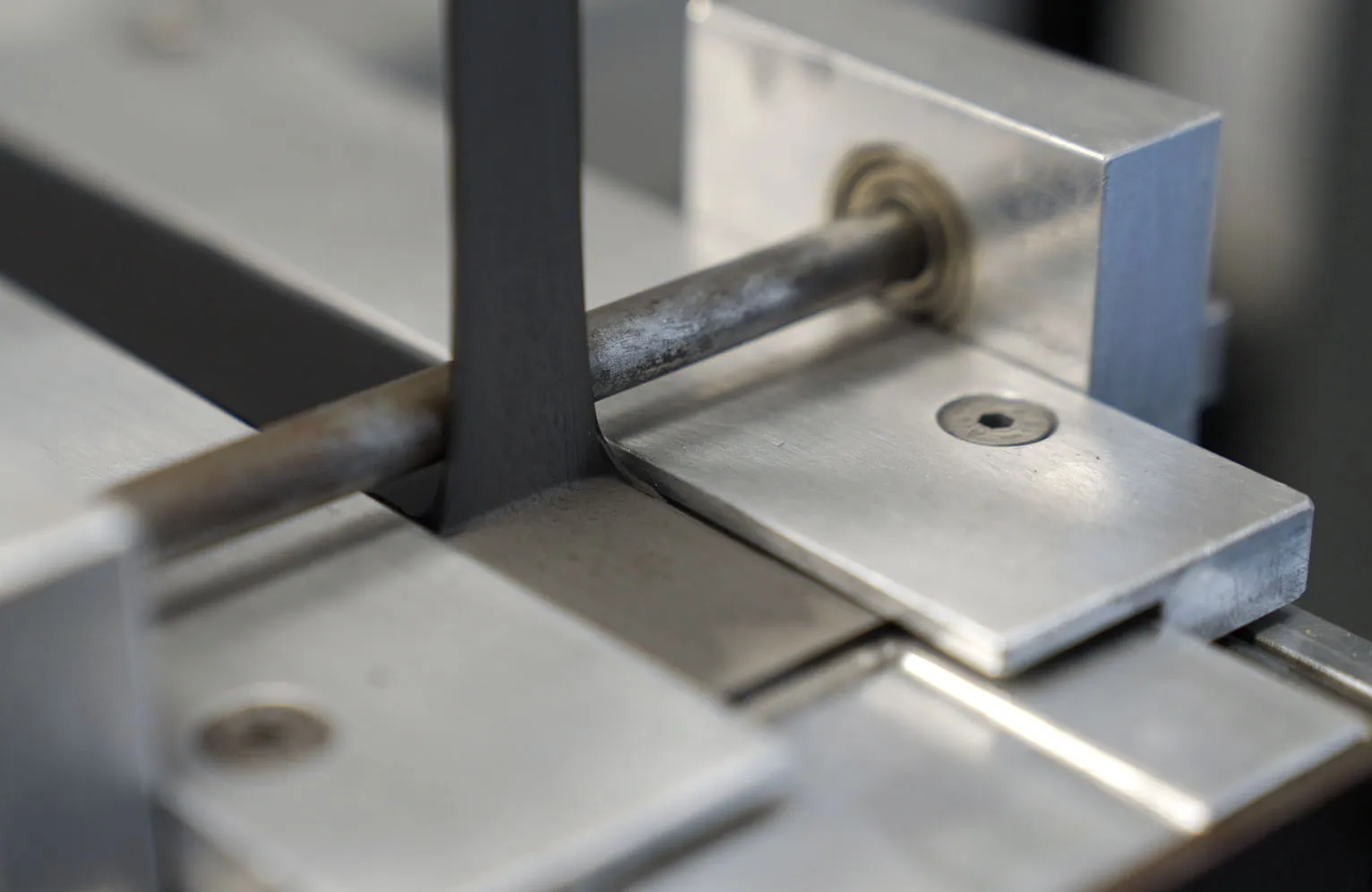

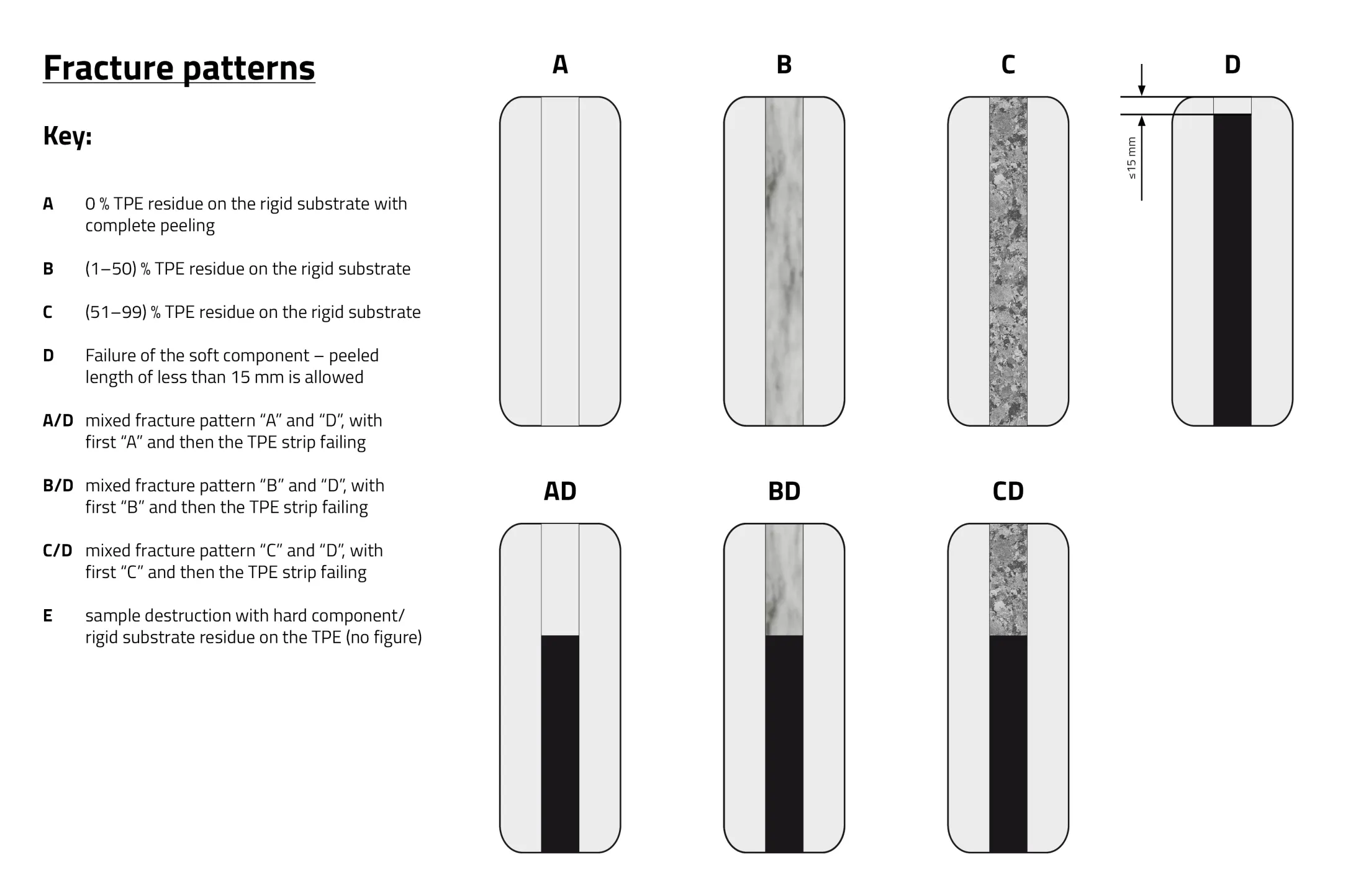
For this purpose, the fracture pattern should also be evaluated (adhesive vs. cohesive fracture).
Conclusion
Multi-component injection molding with thermoplastic elastomers is a complex interplay of material chemistry, design, and processing. Stable adhesion does not occur (-> is not achieved) by chance but is the result of the targeted coordination of all influencing factors.
Those who consider the material combination, geometry, and process parameters early in the design phase lay the foundation for durable, functional, and cost-effective components.
TPE is thus far more than just a “soft material”—it is a highly developed system material for modern plastic solutions. What experience have you gained in multi-component injection molding? We look forward to your questions and comments below.
Author
Thomas Renner
Head of Application Engineering

Phone: +49 8638 9810-499
E-Mail: thomas.renner@kraiburg-tpe.com
Gain insights from the Experts
Webinar
Introduction to Multi-Component Injection Molding
This session addresses users of multi-component injection molding and focuses on why the technology is in constant demand, its special advantages as well as the possibilities and limitations of working with TPE.