
TPE Innovation for Next-Gen EV and Vehicle Interiors
KRAIBURG TPE’s Light Effect TPE series helps EV makers enhance in-car comfort, lighting, and design with low-emission, soft-touch materials that offer durability, light transmission, and excellent processability—ideal for next-gen automotive interiors.
The electric vehicle (EV) sector continues to attract more fossil fuel vehicle users by adopting new technologies that enhance connectivity, improve energy efficiency, and reduce carbon emissions. While EVs have traditionally been known for bare-bones interiors, that spartan style is gradually becoming outdated. Today’s market values not only sustainability but also aesthetics, enhanced functionality, and better in-car experience—expectations that manufacturers are meeting by utilizing advanced materials such as thermoplastic elastomers (TPEs).
Ahead of the curve with Light Effect TPE
KRAIBURG TPE, a global manufacturer of thermoplastic elastomers (TPEs) and customized solutions for a wide range of industry applications, is driving innovation in automotive interior design. As vehicle cabins become more intelligent and design-centric, the company’s Light Effect TPE series offers advanced material solutions that seamlessly combine functionality with aesthetics. With a low density of 0.89 g/cm³ and a Shore A hardness of 60, these compounds deliver excellent moldability, flowability, and compatibility with multi-component injection molding—enabling efficient, high-precision production. Their robust mechanical properties, including a tensile strength of 10 MPa and elongation up to 700%, make them ideal for flexible, high-performance components such as sealing profiles, light guides, haptic surfaces, and soft-touch interior parts. Additionally, their high light transmissibility supports sophisticated ambient and backlit lighting designs in dashboards, door trims, and center consoles—empowering automotive designers to create immersive and interactive in-cabin experiences.
Performance-Driven, Low-Emission TPEs for Safer, More Comfortable Cabins
Beyond aesthetics, Light Effect TPE delivers practical benefits aligned with modern automotive demands. These compounds are halogen-free and flame-retardant, complying with IEC 61249-2-21, and offer excellent UV and heat resistance—maintaining performance even under prolonged exposure and temperatures up to 85°C. They meet strict VOC and fogging regulations (VDA 278, VDA 270), improving in-cabin air quality and reducing odor for a healthier environment. Designed to support vehicle lightweighting, they help improve EV energy efficiency and range, while their vibration-damping properties minimize road and engine noise, enhancing overall driving comfort. From engineers to end users, Light Effect TPE delivers tangible value across the entire vehicle lifecycle.
Sustainability from the get-go
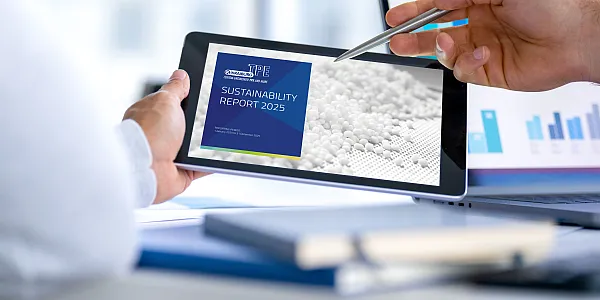
At KRAIBURG TPE, sustainability drives our innovation. Our portfolio includes bio-based TPEs and compounds with post-consumer (PCR) and post-industrial (PIR) recycled content. Selected TPEs are certified under GRS and ISCC PLUS. We also provide Product Carbon Footprint (PCF) data upon request to support sustainability decisions.
We proudly earned the EcoVadis Gold Medal in 2025 and are committed to the Science Based Targets initiative (SBTi), aligning our goals with global climate action.
From reducing emissions to increasing circularity, our sustainable TPEs deliver reliable performance and are available worldwide to support your applications while advancing your sustainability goals.
Get in touch today to learn how KRAIBURG TPE can support your sustainability and product development journey.
Disclaimer: The applications mentioned are illustrative of material capabilities only. Final product suitability and regulatory compliance must be assessed and validated by the customer.
Press Asia Pacific
Bridget Ngang
Marketing Manager Asia Pacific